Safety certificates are some of the most basic legal duties for any landlord, and the most important. In an HMO, with more people and more appliances, the stakes are higher. Councils check these during licensing and inspections, and failures can bring heavy penalties.
This guide covers England. Fire safety in HMOs has its own guide: fire safety in HMOs.
Gas safety
The Gas Safety (Installation and Use) Regulations 1998 require landlords to:
- have every gas appliance, fitting and flue checked by a Gas Safe registered engineer at least every 12 months
- give a copy of the gas safety record to existing tenants within 28 days of the check, and to new tenants before they move in
- keep records for at least two years
- keep gas appliances and pipework in safe condition between checks
You can have the annual check done up to two months before the deadline and keep the original expiry date, so you don't lose time.
Gas safety failures can lead to unlimited fines and, in serious cases, prison.
Electrical safety
The Electrical Safety Standards in the Private Rented Sector (England) Regulations 2020 require landlords to:
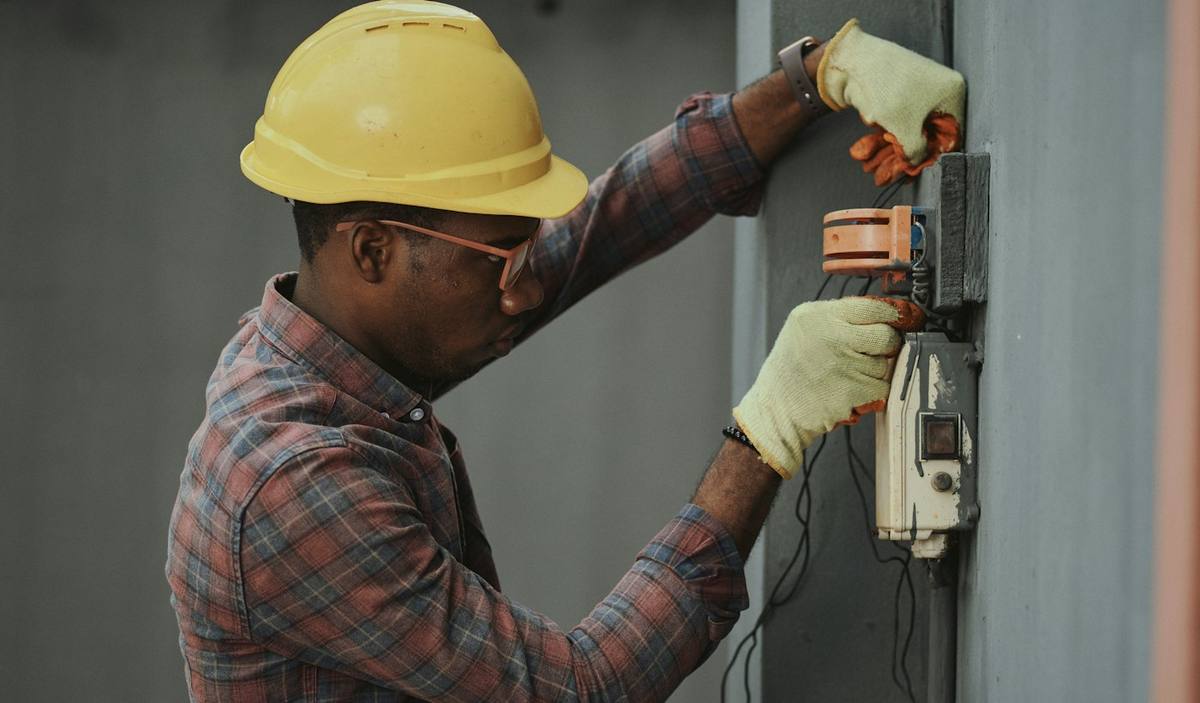
- have the electrical installation inspected and tested by a qualified and competent person at least every five years, producing an Electrical Installation Condition Report (EICR)
- give a copy to existing tenants within 28 days, to new tenants before they move in, and to the council within 7 days if asked
- carry out any remedial or further investigative work within 28 days, or sooner if the report says so, and get written confirmation it's done
Councils can impose civil penalties of up to £30,000 for breaches of these regulations. Some HMO licences require more frequent testing.
Portable appliance testing
PAT testing isn't a specific legal requirement for landlords in England, but you must make sure any appliances you provide are safe. In HMOs, many licence conditions and insurers expect regular PAT testing, and it's good practice for kettles, toasters, microwaves and other shared equipment.
Smoke and carbon monoxide alarms
The Smoke and Carbon Monoxide Alarm (Amendment) Regulations 2022 require landlords to:
- fit at least one smoke alarm on every storey used as living accommodation
- fit a carbon monoxide alarm in every room with a fixed combustion appliance, such as a boiler or wood burner, but excluding gas cookers
- check alarms work on the first day of every new tenancy
- repair or replace faulty alarms promptly once told about them
In most HMOs, the fire alarm requirements go well beyond this, with a mains-wired, interlinked system and heat detection in the kitchen.
Fire safety equipment
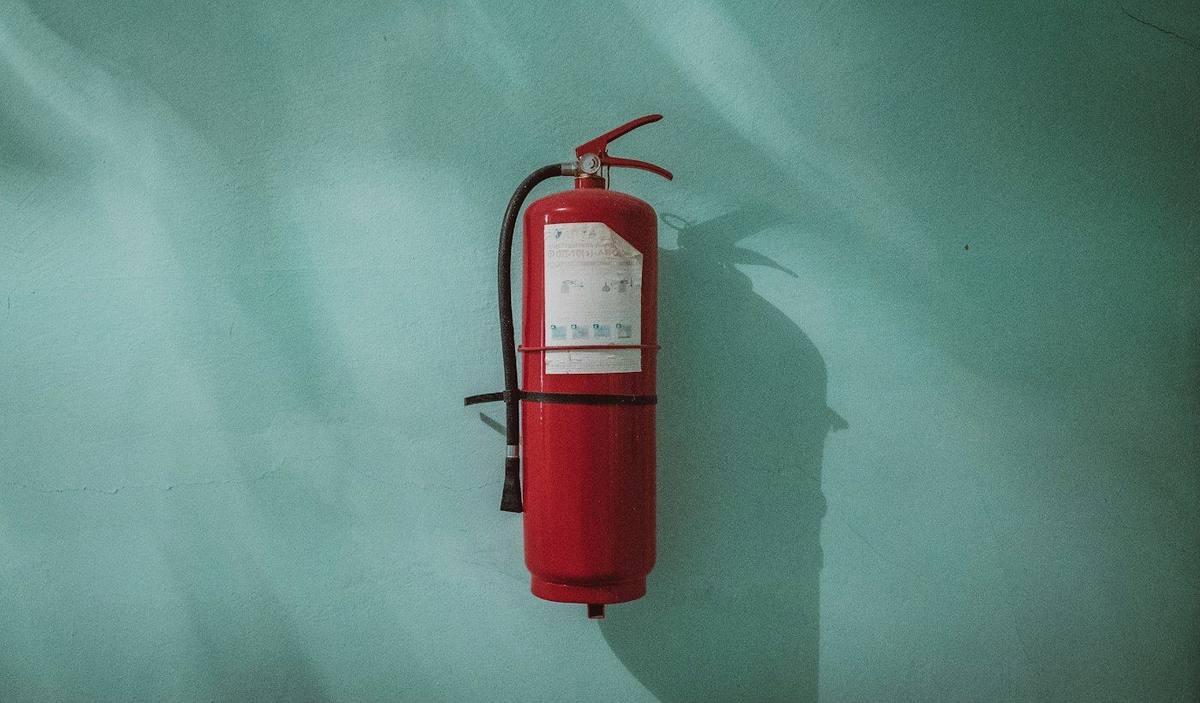
- test fire alarms weekly and keep a log
- have the system serviced by a competent person, often every six months for larger systems
- check emergency lighting monthly and test it fully once a year, where fitted
- review the fire risk assessment regularly and after any changes
Legionella
Landlords must assess the risk of Legionella in the water system. For most homes, this is a simple assessment and sensible measures, such as keeping hot water hot and flushing little-used outlets. Larger HMOs with stored hot water may need more detailed checks.
Keeping on top of it
- Keep a single calendar with every certificate's expiry date. See our HMO compliance calendar.
- Book checks a month or two early.
- Store digital copies of every certificate and the proof you sent them to tenants.
- Use the same trusted engineers so they know the property.
Why it matters even more now
Under the Renters' Rights Act, councils have stronger investigation powers and civil penalties for many housing offences can reach £40,000. Rent repayment orders can require landlords to repay up to 24 months of rent for some offences. And a property without valid certificates may struggle to get a licence, insurance or finance.
Every Lera HMO is handed over with a full set of certificates, a fire risk assessment and a compliance schedule, so nothing gets missed. See how it works.
This article is general information, not financial, investment, tax or legal advice. Rules and rates change, and figures are illustrative. Your capital is at risk. Please take independent advice before investing.