In most HMO markets, rooms are let on an all-inclusive basis. Tenants pay one monthly figure that covers rent, energy, water, broadband and often council tax. It's simpler for them, it avoids arguments about splitting bills, and it lets you market the room at a single clear price. But it also means you carry the risk of rising costs.
What's usually included
- Gas and electricity
- Water and sewerage
- Broadband, ideally fast fibre with good Wi-Fi coverage in every room
- Council tax, which the landlord usually pays in an HMO anyway. See council tax for HMOs.
- Cleaning of shared areas, in many professional HMOs
- Garden maintenance, where relevant
A TV licence is a common question. Where tenants have separate tenancy agreements for their own rooms, each tenant normally needs their own TV licence if they watch live TV or BBC iPlayer in their room. A licence for the shared lounge doesn't cover them.
Budgeting for bills
Bills vary with the size of the house, the number of tenants, the heating system and the energy efficiency of the building. As a starting point, many investors budget a monthly figure per room and then adjust after the first year using real bills. Our HMO full calculator includes a bills line so you can see the effect on profit.
Always use the property's actual energy performance and the current energy price cap when estimating, rather than a rule of thumb from a different house.
Pricing the room
Look at what similar bills-included rooms let for nearby, then check your numbers work after bills. Remember that the advertised price must now be the asking price: under the Renters' Rights Act, you can't accept offers above it.
Controlling energy costs
Make the building efficient
- loft and wall insulation
- double or secondary glazing
- draught-proofing
- an efficient boiler or heat pump with good controls
- LED lighting throughout
Efficiency works twice: it lowers your bills and helps meet future EPC targets. See EPC rules for HMOs.
Use smart controls
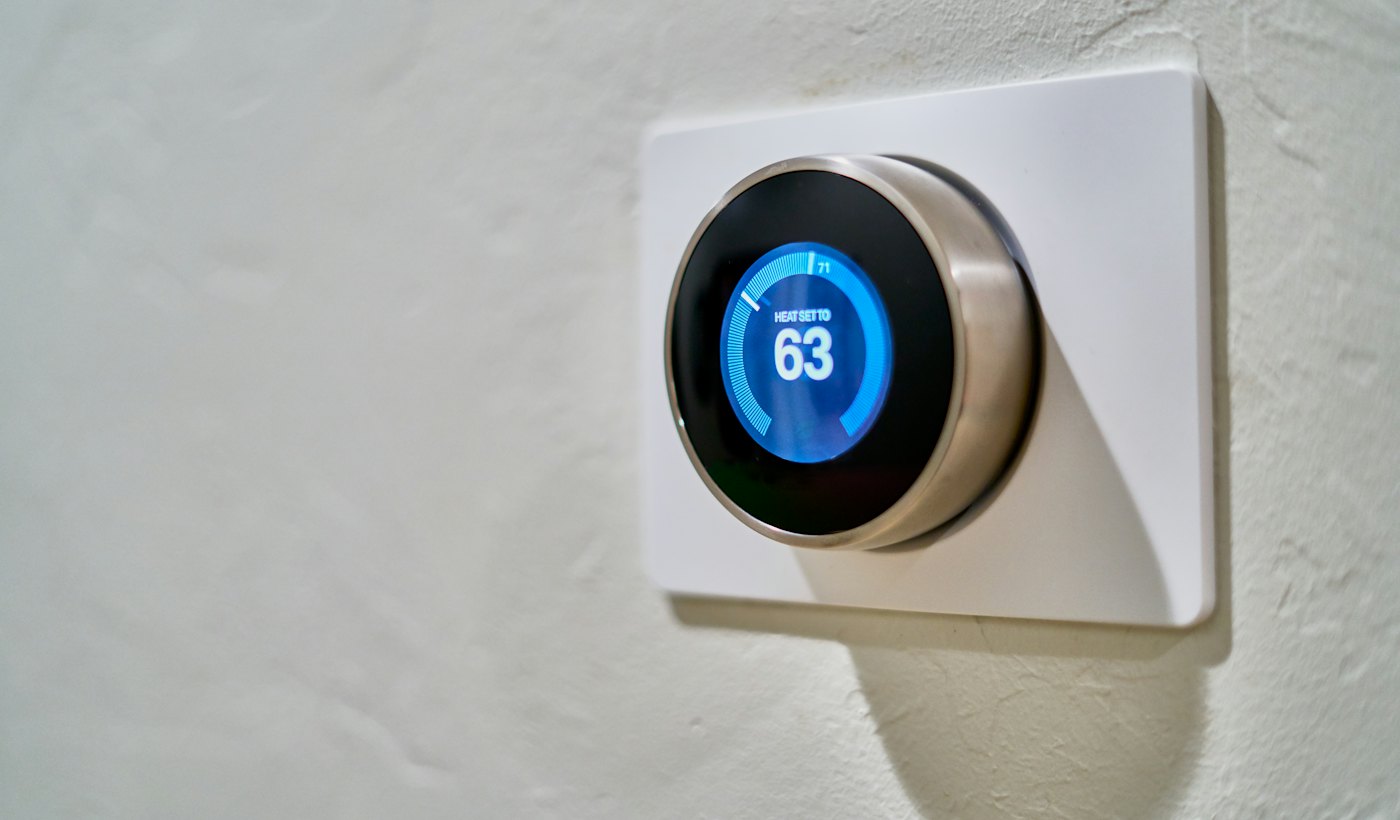
- Smart thermostats with sensible schedules, and the ability to adjust remotely.
- Thermostatic radiator valves in every room.
- Timers on electric heaters, if used.
- Smart meters so you can spot unusual usage quickly.
Set fair-use expectations
Include a fair-use clause in the tenancy, explaining that bills are included up to a reasonable level of use. Explain it at move-in, in plain words. In practice, a clear conversation about leaving windows open with the heating on usually works better than any clause.
Re-charging bills separately
Some landlords prefer to charge rent plus a separate bills contribution. If you resell gas or electricity to tenants, Ofgem's maximum resale price rules apply, which means you can't charge more than you paid. Simple all-inclusive rent avoids most of this complexity.
Choosing suppliers
- Put the house on a business or landlord tariff where it's cheaper.
- Compare fixed and variable deals at each renewal.
- Choose a broadband provider with reliable speeds. Poor Wi-Fi is one of the top complaints in shared houses.
- Set calendar reminders for contract end dates so you don't roll onto expensive default tariffs.
Reviewing every year
Once a year, compare actual bills to your budget. If costs have risen, the annual rent review is the time to reflect that, with a fair increase supported by evidence. Remember tenants can challenge an increase they think is above the market rate.
At Lera, we design HMOs with efficient heating, insulation and smart controls from the start, so bills-included rent stays profitable. Book a call to see the numbers on a recent project.
This article is general information, not financial, investment, tax or legal advice. Rules and rates change, and figures are illustrative. Your capital is at risk. Please take independent advice before investing.