Every HMO must have enough facilities for the people living there. These are called amenity standards. They're set out in national regulations and, in more detail, by each council. If you design to them from the start, your licence application is smoother and your tenants are happier.
Standards vary between councils, so always check the local HMO standards document for your area. The figures below are typical examples, not a substitute for your council's rules.
Where the rules come from
- The Licensing and Management of Houses in Multiple Occupation Regulations set the national baseline for licensed HMOs.
- The Housing Health and Safety Rating System (HHSRS) is used to assess hazards in all rented homes.
- Council HMO standards set local requirements for kitchens, bathrooms, room sizes and fire safety.
Kitchens
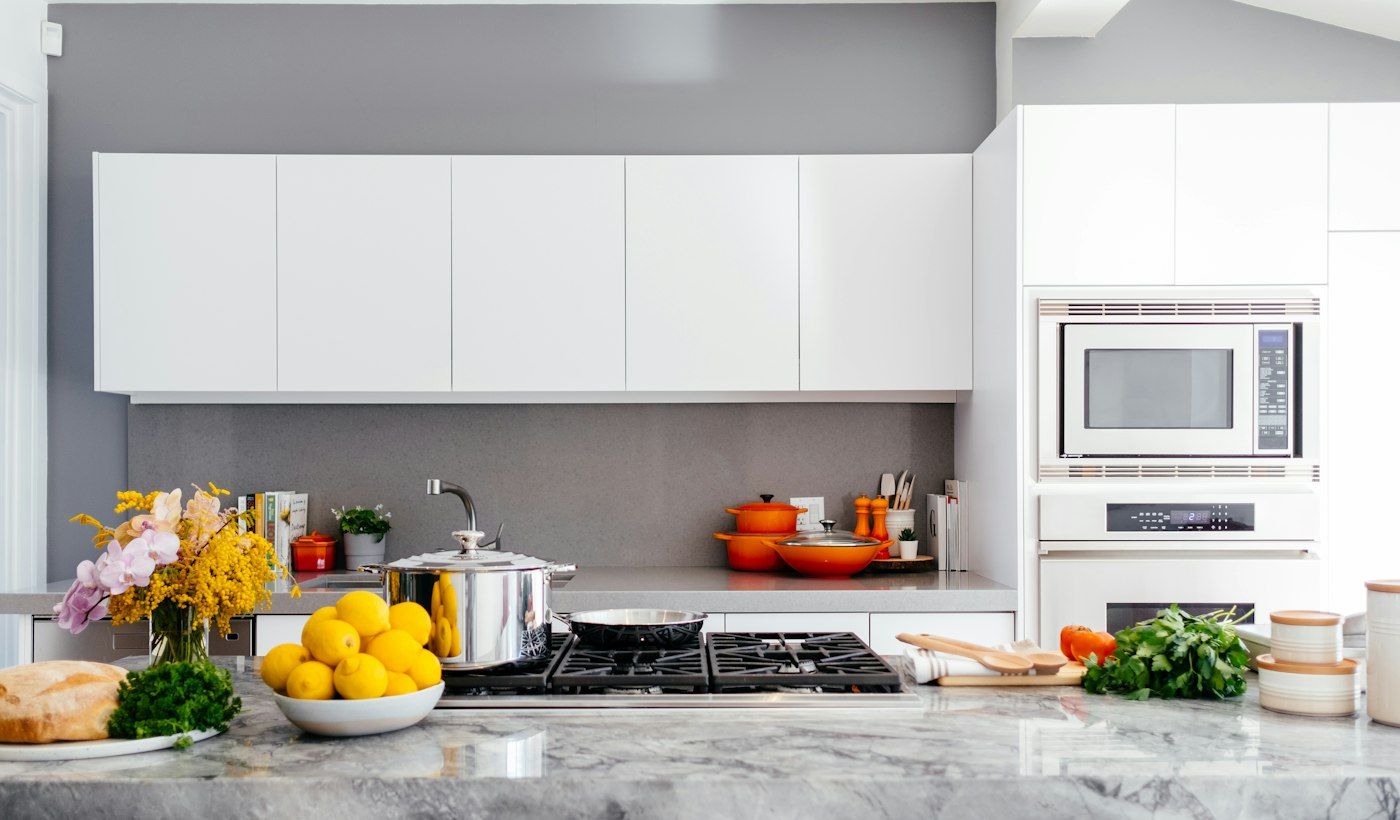
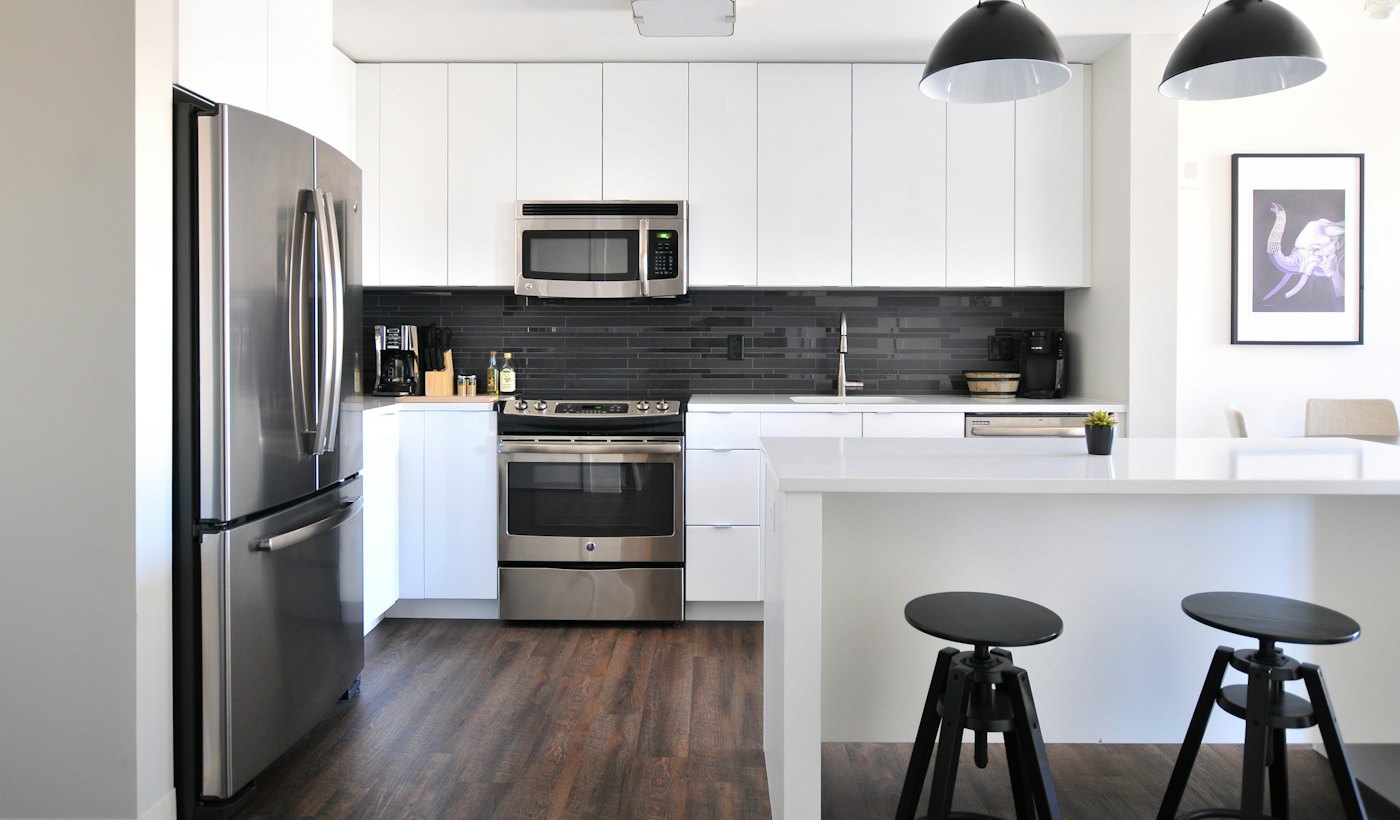
A shared kitchen must be big enough and well equipped for the number of people using it. Council standards often specify:
- Size: a minimum floor area that rises with occupants. For example, around 7 m² for up to 5 people, rising for more. Many councils set separate figures for a kitchen and a combined kitchen-diner.
- Cooking: a cooker with four rings, an oven and a grill for every five people, sometimes with a microwave allowed as a partial substitute.
- Sinks: one sink with drainer and hot and cold water for every five people. A dishwasher sometimes counts.
- Worktop: a minimum length per person or per group of people.
- Storage: a lockable or dedicated cupboard per tenant, plus fridge and freezer space per person.
- Sockets: a minimum number of power points above the worktop.
- Distance: the kitchen must be within a reasonable distance of each bedroom, often no more than one floor away.
Bathrooms and toilets
- A common ratio is one bathroom for every five occupants.
- Separate toilets may be required, for example where there are 5 or more people and the only toilet is in a bathroom.
- Bathrooms must have adequate heating, ventilation and hot and cold water.
- Where a bedroom has an en-suite, that tenant may not count towards the shared ratio.
Shared living space
Many councils require a communal living room, or a larger kitchen-diner, where bedrooms are below a certain size. Typically:
- if every bedroom is large enough for a person to live, sleep and relax in, a separate lounge may not be needed
- if bedrooms are close to the minimum, the council will expect communal space
Even where it's not required, a good shared space is one of the best ways to attract and keep tenants.
Bedroom sizes
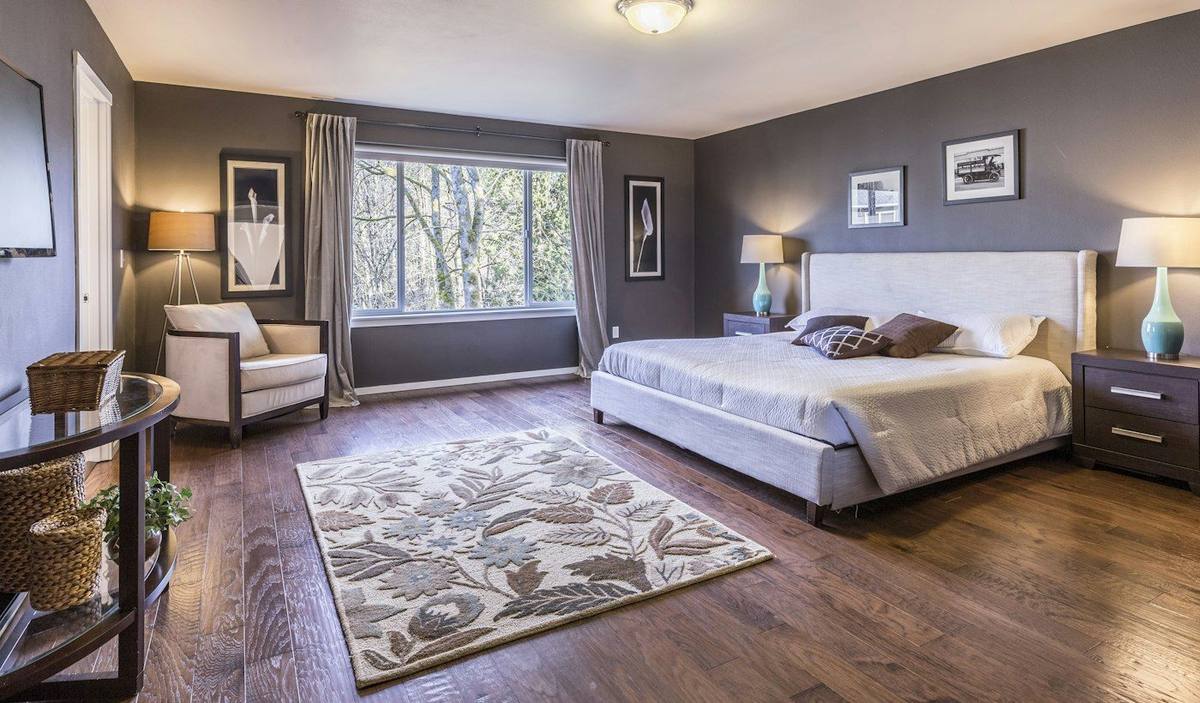
National minimum sizes apply to every licensed HMO: 6.51 m² for one adult, 10.22 m² for two adults and 4.64 m² for a child under 10. Floor area where the ceiling is below 1.5 metres doesn't count. Many councils set larger local minimums. See HMO room sizes.
Heating, lighting and ventilation
- Fixed heating capable of keeping every room warm.
- Natural light in bedrooms and living rooms, with an openable window.
- Mechanical extraction in kitchens and bathrooms.
Waste
Licence conditions usually require adequate bins for the number of occupants, including recycling. Plan a tidy, accessible bin store. Overflowing bins are one of the most common neighbour complaints.
Designing above the minimum
The minimum keeps you compliant. It doesn't make you competitive. The HMOs that let fastest usually have:
- two fridges and two ovens rather than one large one
- a dishwasher
- a dining table that seats everyone
- good Wi-Fi throughout
- en-suites, so the shared bathroom ratio doesn't apply
Read what makes a great HMO for more.
What if you don't meet the standards?
The council can refuse a licence, grant it for fewer occupants, attach conditions requiring improvements, or take enforcement action. Under the Renters' Rights Act, civil penalties for many housing offences can now reach £40,000. It's far cheaper to design it right first time.
Lera designs every HMO to the local council's standards before work starts, and handles the licence application. See HMO licensing explained or talk to us.
This article is general information, not financial, investment, tax or legal advice. Rules and rates change, and figures are illustrative. Your capital is at risk. Please take independent advice before investing.