
Ask ten builders what an HMO conversion costs and you'll get ten answers. The truth is that it depends on the house, the region, the number of rooms and the finish. But the structure of a good budget is always the same. This guide walks through it.
All figures here are illustrative. Prices vary widely across the UK and change over time.
The main cost headings
1. Strip-out and structural work
Removing old kitchens, bathrooms and finishes, plus any walls being moved or removed. Structural work needs steel beams, an engineer's calculations and building control sign-off.
2. Fire safety
Often underestimated. Typical items include:
- FD30 fire doors with self-closers and intumescent strips to every bedroom and the kitchen
- a mains-wired, interlinked fire alarm system, usually Grade D1 or Grade A depending on size
- emergency lighting in larger HMOs
- fire-resistant plasterboard to protect escape routes
- fire blankets and, where required, extinguishers
Read fire safety in HMOs for what councils expect.
3. Electrics
Most older houses need a full or partial rewire to support more occupants, more sockets and en-suite extractor fans. A new consumer unit and an EICR on completion are standard.
4. Plumbing and heating
More bathrooms mean more hot water demand. Many HMOs need a larger combi boiler, a system boiler with an unvented cylinder, or electric showers in en-suites. New soil pipes and drainage runs for en-suites can be a big cost in themselves.
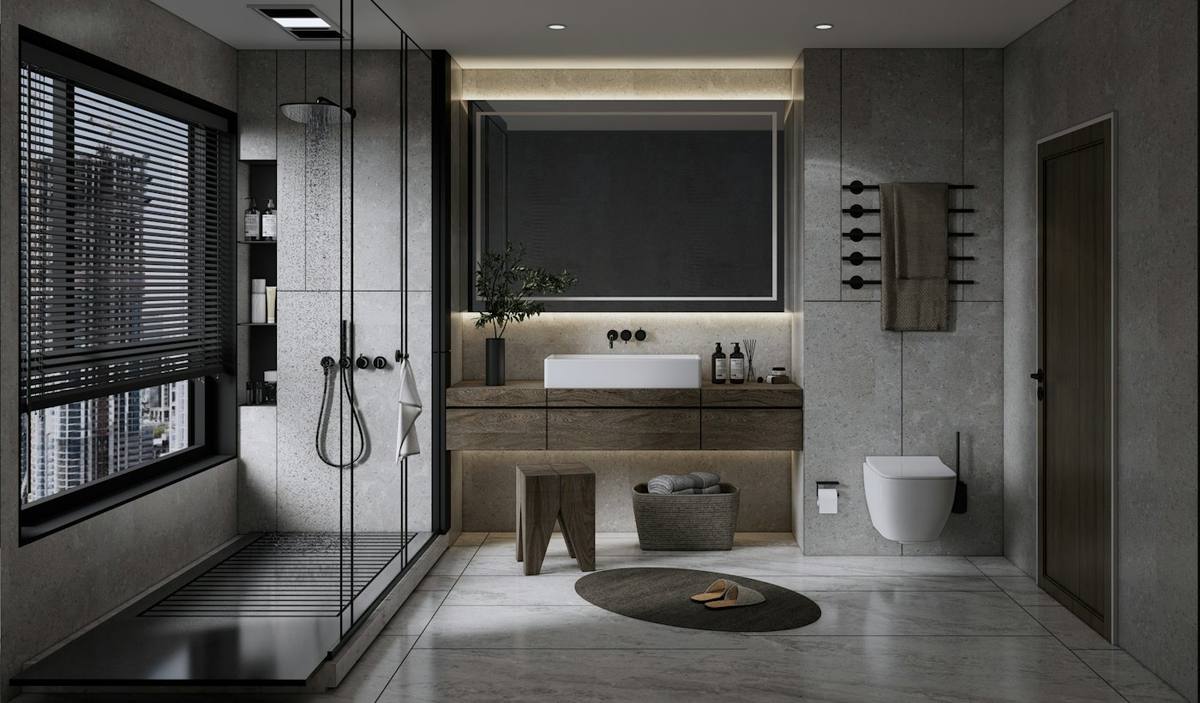
5. En-suites and bathrooms
Usually the single biggest line. Each en-suite needs a shower, toilet, basin, extraction, waterproofing and tiling. See are en-suites worth it?
6. Kitchen
A shared kitchen sized for the number of tenants, with enough cooking, storage and fridge space. Councils publish minimum amenity standards.
7. Finishes and furniture
Flooring, decoration, lighting, and furnishing every bedroom and the shared areas. Good-quality, durable furniture pays for itself in lower replacement costs.
8. Professional fees
- architect or designer drawings
- structural engineer
- building control fees
- planning or lawful development certificate fees
- party wall surveyor where needed
- licensing application fee
9. Contingency
Always add a contingency, typically 10% to 15% of the build cost. Older houses hide surprises: rotten joists, damp, old wiring or drainage problems.
An illustrative budget
For a 3-bed terraced house converted into a 6-bed HMO with en-suites, a budget might look like this:
| Item | Illustrative cost |
|---|---|
| Strip-out and structural | £10,000 to £20,000 |
| Loft conversion (if adding rooms) | £40,000 to £60,000 |
| Fire safety | £8,000 to £15,000 |
| Electrics | £8,000 to £14,000 |
| Plumbing and heating | £8,000 to £15,000 |
| En-suites (6) | £30,000 to £50,000 |
| Kitchen | £8,000 to £15,000 |
| Finishes and furniture | £15,000 to £25,000 |
| Professional fees | £6,000 to £12,000 |
| Contingency | 10% to 15% |
London and the South East are often at the top of these ranges or above them. The North and Midlands can be lower.
Costs that sit outside the build
- Bridging interest while the works happen. See bridging loans explained.
- Council tax and utilities during the build.
- Insurance for an empty property under renovation.
- Letting costs, photography and marketing once finished.
Why projects go over budget
- No detailed specification, so quotes aren't comparable and extras creep in.
- Changing the design mid-build.
- Hidden defects found after the strip-out.
- Delays that add bridging interest and holding costs.
- Building control or licensing requirements missed at design stage.
How to control costs
- Get a full survey before you buy, and have a builder walk the property.
- Fix the design and specification before work starts.
- Use fixed-price contracts with clear stage payments.
- Check the council's HMO standards at design stage, not at the licence inspection.
- Track spending weekly against the budget.
At Lera, we cost every project line by line before you commit, and manage the build to that budget. Try our HMO full calculator to test a deal, or book a call.
Figures are illustrative only. Capital at risk.
This article is general information, not financial, investment, tax or legal advice. Rules and rates change, and figures are illustrative. Your capital is at risk. Please take independent advice before investing.