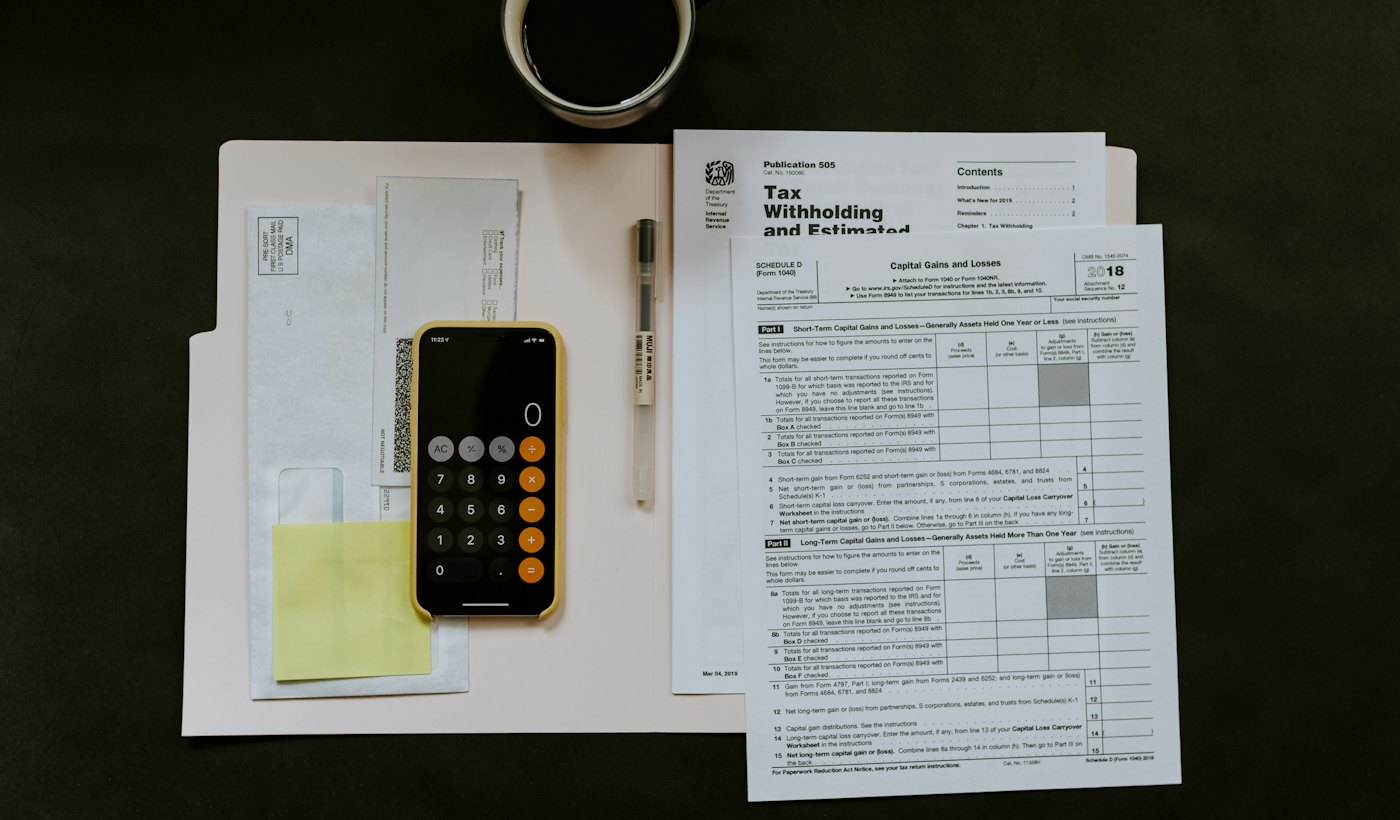
Tax can make a big difference to your returns, and the right structure depends on your own situation. Here's an overview of the main taxes involved, to discuss with a property accountant.
Stamp duty on an additional property
In England, buying an additional residential property means paying the higher rates of Stamp Duty Land Tax, which include a 5% surcharge in place since 31 October 2024.
| Portion of the price | Rate |
|---|---|
| Up to £125,000 | 5% |
| £125,001 – £250,000 | 7% |
| £250,001 – £925,000 | 10% |
| £925,001 – £1.5m | 15% |
| Over £1.5m | 17% |
On a £475,000 house, as in our worked example, that comes to £37,500.
Owning personally
- Rental profit is taxed as income. From April 2027, property income has its own rates of 22%, 42% and 47%.
- Mortgage interest isn't deducted from profit. Instead you get a tax credit at the basic rate, known as Section 24. From April 2027 that credit is at 22%.
- Capital gains tax applies when you sell, at 18% or 24% on residential property.
Owning through a limited company
- Profits pay corporation tax at 19% to 25%, depending on profit level.
- Mortgage interest is a business cost, deducted before tax.
- Taking money out, for example as dividends, is taxed again personally.
Many investors buy HMOs through a company, but it isn't right for everyone. It depends on your income, your plans and whether you'll need the money personally. We work with either structure.
Capital gains tax when you sell
If you own personally, capital gains tax is charged on the gain when you sell, after deducting costs such as purchase fees, stamp duty and capital improvements. Residential gains must be reported and the tax paid within 60 days of completion. Companies pay corporation tax on gains instead.
What counts as an expense
- Revenue expenses, such as repairs, insurance, bills, management fees, accountancy and replacing like-for-like furniture, are usually deductible against rent.
- Capital expenses, such as extensions, loft conversions and adding en-suites, aren't deductible against rent but can reduce the gain when you sell.
Keep receipts for everything and keep capital and revenue costs separate.
Changes announced
The November 2025 Budget announced separate property income tax rates, planned to be 2 percentage points higher than standard rates from April 2027, and higher dividend tax rates from April 2026. Both affect how much investors keep, whether owning personally or through a company.
Go deeper
- Stamp duty for property investors
- Section 24 explained
- Buying through a limited company
- Council tax for HMOs
Council tax
In an HMO let room by room, the landlord is usually responsible for council tax, so it's built into the room rent and into every Lera appraisal.
This isn't tax advice. Speak to a property accountant before you buy, especially about whether to buy personally or through a company.
This article is general information, not financial, investment, tax or legal advice. Rules and rates change, and figures are illustrative. Your capital is at risk. Please take independent advice before investing.