Most HMO profit is made or lost on the day you agree a price. A good conversion can't rescue a house in the wrong street, with the wrong layout, bought for the wrong money. A modest refurbishment of the right house, on the other hand, can produce a strong, steady income for decades.
This guide walks through how experienced investors, and our own acquisitions team, decide whether a house is worth pursuing.
Start with the area, not the house
An HMO lives or dies on demand for rooms. Before you look at a single listing, you want to know that an area has plenty of people who want to rent a room rather than a whole flat. Good signs include:
- Large employers nearby: hospitals, universities, business parks, airports and town centres all create steady demand from working tenants.
- Fast transport: a tube, overground or mainline station within a 10 to 15 minute walk widens the pool of tenants hugely.
- Room rents that support the numbers: check what rooms actually let for on SpareRoom and similar sites, not just the asking prices.
- Not too much competition: if one street already has a dozen HMOs, new ones fight over the same tenants.
We cover this in more depth in how to choose an area for an HMO.
Check the planning position before you fall in love
In many areas you can turn a family house into a small HMO for up to six people without planning permission. In others, an Article 4 direction removes that right and you must apply for planning permission, which the council can refuse. Check this first, because it changes both your timeline and your risk. Our Article 4 map shows the position for every London borough and over 150 councils across England.
The layout matters more than the size
Two houses with the same floor area can produce very different numbers. What you're really buying is the ability to create lettable bedrooms that meet minimum room sizes, with enough kitchen and bathroom space to go round. Look for:
- Two reception rooms on the ground floor, which can often become bedrooms.
- A loft with decent head height that could take a dormer conversion.
- A garden deep enough for a rear extension, which can house a new kitchen or more bedrooms.
- Space for en-suites, which push up room rents and make rooms easier to let.
- Bedrooms off a central landing, rather than rooms you can only reach through other rooms.
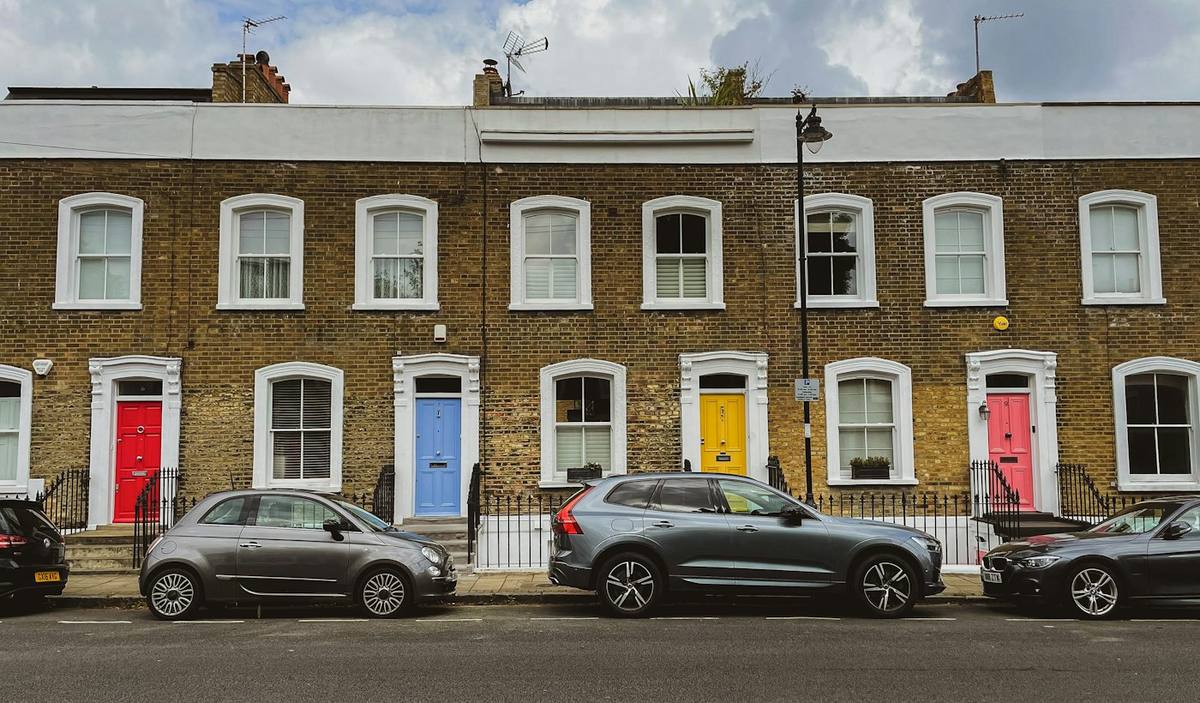
Typical winners are three-bedroom terraced and semi-detached houses with two reception rooms, because a rear extension and a loft conversion can take them to six good-sized rooms.
Run the numbers on every house you view
Before you book a viewing, sketch the deal on the back of an envelope. You need four numbers:
| Number | Where it comes from |
|---|---|
| Purchase price plus buying costs | Price, stamp duty, legal fees and surveys |
| Cost of works | Conversion, extension, loft, compliance and furnishing |
| Rent per month | Number of rooms times local room rent, minus voids and bills |
| End value | What the finished HMO is likely to be worth for refinancing |
From those, work out how much of your own cash stays in the deal after a refinance, and what yearly profit that cash earns. Our free HMO full calculator does all of this for you, including stamp duty, bridging and refinance.
Red flags that should make you walk away
- Structural problems, such as subsidence, failing walls or major roof defects that eat the budget.
- Leasehold restrictions. Most leases on flats forbid HMO use, and freeholds with restrictive covenants can do the same.
- Short leases or unusual title, which can make the property hard to mortgage.
- Flood risk or non-standard construction, which some lenders won't touch.
- A seller who won't allow surveys or keeps changing the story.
Where do the best deals come from?
Good HMO houses rarely look exciting on property portals. Many of the best are tired family homes, probate sales, properties that have sat on the market, or houses sold quietly through local agents. Building relationships with a handful of agents in your target area, and being able to move quickly with funding in place, is worth more than any search filter.
Book the right surveys
For an HMO, a basic valuation isn't enough. At a minimum, ask a builder you trust to walk the house with you and price the works, and consider a building survey for older properties. It's far cheaper to find problems before exchange than halfway through a build.
How Lera helps
Finding and appraising houses is the part most investors don't have time for. Our team views properties, runs the numbers, checks planning and licensing, and only brings you deals that work on paper before you commit. If you'd like to see the kind of deal we look for, book a discovery call.
This article is general information, not financial, investment, tax or legal advice. Rules and rates change, and figures are illustrative. Your capital is at risk. Please take independent advice before investing.